
La mayoría de las personas que viajan con frecuencia pueden recordar un momento en que las palabras o el comportamiento de un desconocido de repente se sintieron amenazantes. Un contacto no deseado en un metro abarrotado en París, un taxista en El Cairo haciendo preguntas personales intrusivas, un compañero de asiento ebrio en un vuelo nocturno a Los Ángeles: el acoso en ruta es tan común que se ha convertido en una parte casi esperada de los viajes, especialmente para mujeres y personas de géneros diversos. No puedes controlar el comportamiento de otras personas, pero sí puedes preparar estrategias claras para reconocer el acoso a tiempo, responder de formas que prioricen tu seguridad y proteger tu confianza para que los momentos difíciles no arruinen tu viaje.
Get the latest updates straight to your inbox!
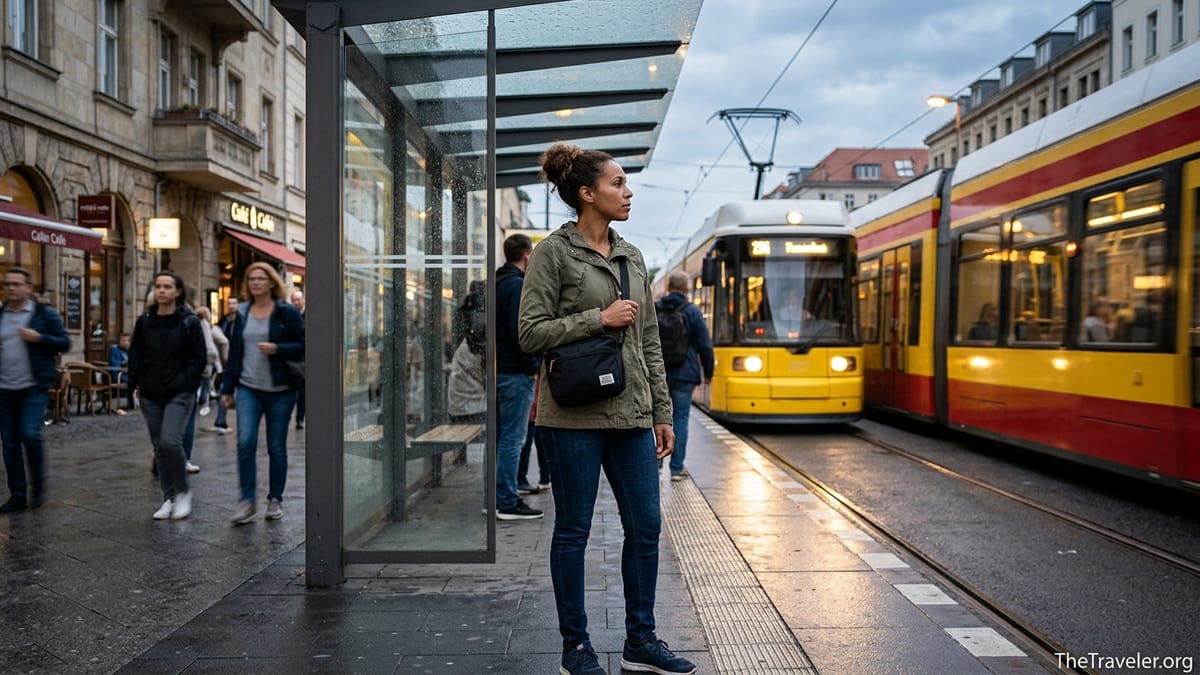
Practical, real-world strategies to recognize, respond to, and recover from harassment on the road so you can keep traveling with confidence.
Understanding What Harassment Looks Like When You Travel
Harassment on the road can be subtle or blatant, and recognizing it quickly is the first step to dealing with it. It ranges from comments that are sexual, racist, homophobic, or otherwise degrading, to unwanted touching, stalking, or attempts to corner you in a confined space. On a city bus in Mexico City, for instance, many women describe men pressing against them “because it is crowded,” when there is clearly enough room to stand elsewhere. On night trains in Europe, solo travelers sometimes report older men entering their couchette mid-journey and sitting too close under the pretext of “making conversation.” These behaviors are not misunderstandings or clumsy flirting; they are forms of harassment.
Public transport is a particular flashpoint. Surveys from cities as different as Prague, Melbourne, and Kampala have found that a large share of women report experiencing sexual comments, staring, or physical contact on buses, trams, and metros at some point in their lives. In London, a Transport for London survey that led to the creation of Project Guardian found that many women had experienced unwanted sexual behavior on public transport, but most never reported it. Similar patterns appear in university surveys from Australia and elsewhere, where very few incidents on trains and trams make it to the police or transport authorities. This gap between experience and reporting is part of why harassment on the road can feel invisible or minimized.
Harassment also happens far from trains and planes. In popular nightlife districts like Bangkok’s Khao San Road, Barcelona’s El Born, or New Orleans’ Bourbon Street, travelers describe being followed from bar to bar, grabbed by the arm by club promoters, or subjected to sexual comments by groups of intoxicated tourists. Outside city centers, hikers on famous trails such as the Camino de Santiago or in U.S. national parks have reported being cornered on isolated paths by someone insisting on walking with them despite clear signals of discomfort. These examples show that harassment is about someone disregarding your boundaries, not about what you are wearing or whether you are traveling alone.
Finally, harassment often targets what makes you “different” in a local context. A Black traveler in Eastern Europe might hear racial slurs. A queer couple may be mocked for holding hands on a beach in a conservative coastal town. A traveler wearing a hijab on a bus in Bristol, England, may be singled out for Islamophobic abuse. Academic studies and local advocacy groups repeatedly document that women, LGBTQ+ people, and visible minorities carry a heavier burden of harassment in public spaces worldwide. Knowing that this is systemic, not personal, can help you respond with clarity rather than shame.
Planning Ahead: Practical Steps Before You Leave
Preparation cannot eliminate harassment, but it gives you more choices if a situation turns uncomfortable. Before you depart, review the safety section of your guidebook or a reputable news outlet for each destination, focusing on how women and LGBTQ+ locals describe their daily experiences. For example, in some North African cities, women report frequent comments and staring in tourist areas but feel safer in family-oriented neighborhoods or modern shopping malls. In parts of Eastern Europe, public affection between same-sex couples can attract unwanted attention, so some travelers choose more discreet accommodations and venues.
Build a simple personal safety plan as you would for health or money. Share your itinerary with a trusted person at home and set up check-in routines via messaging apps. Store the local emergency number for each country in your phone; in the European Union it is often 112, while in the United States it is 911. If you are a U.S. citizen, the State Department encourages enrolling your trip so that embassies can contact you in an emergency, including if you become a victim of crime abroad. Many universities and large employers offer 24/7 security hotlines for staff and students overseas that can help you find medical care, translators, or legal assistance after an incident.
It can also help to think through how you will move around day-to-day. In cities known for crowded rush-hour metros, such as Tokyo, São Paulo, or New York, you might decide to travel outside peak times where possible or stand near the driver or in busier parts of the carriage. Some systems, including in Japan and Mexico City, offer women-only cars during certain hours; many local women use them not because they believe harassment is their fault, but because it is a practical tool to lower risk when they are tired, carrying luggage, or commuting late.
Finally, consider low-cost gear that supports your safety plan without making you feel constantly on edge. A small crossbody bag that sits in front of your body on metros, a basic door-stop alarm for cheap hotel rooms, or a battery-powered phone charger so you are not stranded after dark when your battery dies can all make it easier to leave an uncomfortable situation quickly. Some travelers take a short, reputable self-defense course at home that focuses less on “fighting” and more on boundary-setting, using your voice, and simple breakaway techniques, which can provide a reassuring sense of readiness.
Reading Early Warning Signs and Trusting Your Instincts
Most harassment does not begin with an obvious threat. It builds in small steps: someone leans a little too close on the metro, then “jokes” about your body, then tries to touch your arm or lower back. Learning to recognize these early steps and responding when behavior first crosses a line can prevent situations from escalating. For example, if a rideshare driver in Berlin keeps asking intrusive questions about your hotel or relationship status and suggests going for drinks, that is a moment to set a verbal boundary and, if needed, end the ride at a busy, well-lit corner rather than waiting uncomfortably until your destination.
Your body often registers unease faster than your rational mind. A tightening in your chest, a feeling that someone is too focused on you in an otherwise normal setting, or a sudden wish to leave a bar where you were having fun just minutes ago are all signals worth listening to. Travelers often second-guess that internal alarm because they do not want to be “rude” in a new culture or appear prejudiced. Yet local women in many cities will tell you they ignore politeness in favor of safety. In Cairo or Delhi, for instance, women sometimes abruptly change cars on the metro or exit a bus early if a man’s behavior feels off, without offering explanations.
There are also context clues that should raise your alert level. If someone is watching you repeatedly in a near-empty train carriage late at night, standing too close in an otherwise spacious queue at an airport, or following you across several blocks in a tourist district, consider that a situation requiring active decisions. You might step into a busy hotel lobby, walk into a restaurant and approach staff, or cross the street to join a family or group rather than trying to “outwalk” the person following you.
Harassment is not always intentional or malicious. In some cultures, people stand closer, ask personal questions, or comment on appearance more freely. However, even in highly tactile cultures, most locals understand the difference between warmth and threat. If you say “no” or “stop” and the person persists, it is no longer a cultural misunderstanding. Trust your judgment instead of waiting for a situation to become undeniably bad before you act.
In-the-Moment Responses: Staying Safe on Streets, Trains, and Planes
When harassment happens, your first priority is not to be polite, brave, or “correct,” but to stay safe. Responses fall into three broad approaches: disengage, enlist help, or confront, and which you choose will depend on the situation. On a daytime tram in Amsterdam that is fairly full, you might decide to confront a man who is rubbing against you by saying firmly, “Stop touching me,” then moving away. On a near-empty night bus in a less familiar city, the safer option might be to move near the driver and quietly ask to get off at the next busy stop or request that the driver call security.
Disengaging is often the lowest-risk first step. Physically move away, change seats, change carriages, or step off the train one stop early to board a busier carriage. On urban metros from New York to Buenos Aires, many women develop the habit of standing near doors and grabbing a pole at arm’s length so that anyone trying to press against them has to do so in full view of others. If a stranger on the street in Rome or Istanbul starts walking alongside you making comments, you can stop abruptly at a café terrace or shop and address staff or another patron as if you know them, effectively cutting off the interaction.
Enlisting help uses the presence of others to your advantage. On a plane, this might mean quietly telling a flight attendant that the person beside you is touching you or making comments after you asked them to stop. Airlines flying to and from the United States are subject to a zero-tolerance policy on unruly passengers that can carry heavy fines for aggressive or abusive behavior, and cabin crew are trained to reseat passengers or involve authorities on landing when needed. On trains in countries like the United Kingdom, passengers are encouraged to report harassment to transport police by text or phone, which allows officers to meet the train at the next station without forcing the victim to confront the perpetrator directly.
Confrontation is more effective when you have some social backing. Rather than directly attacking the harasser, some travelers use what bystander trainers call the “bystander approach” on their own behalf. For example, if a group of men in a bar in Medellín keep making comments, you might say loudly enough for others to hear, “You need to stop talking to me like that. Is someone here willing to help me move away from this table?” That statement both sets a boundary and invites others to step in. In cultures where public embarrassment carries weight, like Japan or South Korea, even a calm but firm “That is inappropriate” in front of others can shift the dynamic.
Using Bystanders, Authorities, and Local Support
One of the most powerful tools against harassment on the road is other people. Bystander intervention training, which has been rolled out on some university campuses and public transport systems, suggests simple tactics that ordinary passengers can use: distraction, delegation, documentation, and direct action when safe. As a traveler, you can also invite these responses. If you feel unsafe on a tram in Prague or a bus in Lima, you can turn to a nearby passenger and quietly say, “That man keeps touching me and I do not feel safe. Can I stand next to you until my stop?” Many people want to help but are unsure what is happening until you name it.
Transport authorities in several countries are trying to make reporting easier. In London, posters across the Underground and buses encourage passengers to report sexual harassment via a dedicated text number, while similar systems exist on some European and North American networks. These texts can be sent discreetly, and transport police may meet the vehicle at the next station. In some cities, women’s organizations have created volunteer networks where members ride night buses in groups or wait at major stops to act as visible allies for women and gender-diverse travelers. Asking your hostel in cities like Mexico City, Nairobi, or Madrid whether such local groups exist can connect you with extra support.
When harassment escalates to assault, or when you fear for your immediate safety, contacting police or local security may be necessary. If you are in a hotel, many chains in cities such as Bangkok, Dubai, or Chicago have security staff who can intervene if another guest harasses you in the bar or lobby. Shopping centers, train stations, and airports around the world employ security guards and maintain lost and found or information desks where staff can summon help. At major airports, including those in the United States, the Department of Transportation reminds passengers that sexual misconduct on aircraft can be a criminal offense, and airlines encourage reporting incidents to crew immediately so that law enforcement can be notified on landing.
Local and international support organizations can also help after the fact. Large cities with significant backpacker traffic, such as Chiang Mai, Lisbon, or Cape Town, often have English-speaking counseling services or women’s crisis centers that assist both locals and visitors who have experienced harassment or assault. University-affiliated programs usually maintain 24/7 lines that students can call from abroad for help accessing medical care or legal support. Even if you are not sure whether what happened “counts” as a crime, talking to a professional who understands local law can clarify your options without pressure.
Documenting, Reporting, and Protecting Your Rights
Recording what happened, even in basic form, serves several purposes. It can help you remember details clearly if you decide to report the incident later; it can support any insurance or legal claims; and it can affirm to yourself that your experience was real and not “just in your head.” As soon as you feel safe, write down the date, time, location, description of the harasser, and any witnesses. On a train or bus, note the route number, carriage, seat, or stop. On a plane, note the flight number and seat row. If it is safe to do so, some travelers discreetly take a photo of the person or the carriage number, but you should never put yourself at greater risk to obtain evidence.
Reporting is a personal choice. In some countries, survivors of harassment and assault describe supportive, victim-centered responses from police. In others, they report being dismissed or blamed. Before reporting, you might ask hotel staff, local friends, or program coordinators what to expect. For example, in some European countries, transport police actively encourage reports of sexual harassment on metros and trams and have systems for taking statements in English. In parts of Latin America or Southeast Asia, travelers often find it more helpful to report first to their embassy, consulate, or travel insurance hotline, which can then advise on next steps with local law enforcement.
On airlines, formal mechanisms are increasingly clear. The U.S. Department of Transportation has published guidance for passengers experiencing sexual misconduct in-flight, recommending that they report incidents immediately to flight attendants and, if unsatisfied with the airline’s response, file a complaint with the department after travel. Aviation authorities in countries from India to the United States have established procedures for dealing with unruly passengers, which can include fines and temporary flying bans. While these systems are far from perfect, they indicate that harassment on planes is taken seriously at a regulatory level, and your report contributes to that record.
If you are traveling through an organized program, such as a study-abroad semester, volunteering project, or corporate assignment, your organization may have additional reporting channels. Universities often encourage students who experience harassment abroad to contact campus security or a Title IX office, which can provide confidential support and advocate on their behalf. Large employers with global operations may maintain security teams or hotlines that assist staff in navigating local police, arranging secure transportation, or even relocating staff from high-risk postings when necessary.
Staying Mentally Resilient and Reclaiming Your Trip
Even “minor” harassment can leave you shaken, angry, or ashamed. Many travelers blame themselves for what happened: for walking down a certain street, for staying in a particular hostel, for accepting a drink at a bar. It is important to remember that responsibility lies with the person who chose to harass, not with you for existing in public space. Mental resilience does not mean pretending you are fine; it means acknowledging the impact and then taking steps to care for yourself so that one encounter does not overshadow your entire journey.
Start by giving yourself permission to pause. After a frightening moment on public transport in Berlin or a street incident in Marrakech, you might spend the next morning in your hotel room, call a friend or therapist at home, or switch to a low-key activity like visiting a museum during daylight instead of pushing yourself back into crowded nightlife. Simple grounding routines, such as eating a proper meal, taking a shower, or walking in a safe, busy area during the day, can help your nervous system settle.
It can also help to actively reframe your relationship with the place where harassment occurred. Some travelers choose to reclaim locations through positive experiences. A woman who was groped on a tram in Lisbon, for example, later arranged a food tour with a small, women-led company recommended by local expats, which allowed her to explore the city with a guide she trusted and a supportive group. A queer couple who received homophobic comments on a beach in southern Italy decided to spend their remaining days in a more inclusive city with a visible LGBTQ+ scene, transforming an upsetting incident into a motivation to seek out safer, more welcoming spaces.
Finally, consider how and when you share your story. Posting immediately on social media may feel cathartic, but reading a flood of minimizing or sensationalizing responses can worsen distress. Sharing selectively, with people who will respond with empathy and practical support, can be more healing. If you later decide to post publicly or contribute to advocacy campaigns documenting harassment on public transport or in tourism, your experience can help others feel less alone and push authorities to improve safety. But you do not owe your story to anyone.
The Takeaway
Harassment on the road is a reality in cities and countries at every income level. It shows up on metros and budget airlines, in hostel bars and luxury resorts. Yet it does not have to define your travels. Knowing what harassment looks like, planning ahead for how you will respond, and practicing listening to your instincts all increase your options in the moment. Using bystanders and authorities, documenting what happened, and seeking support afterwards help protect both your practical rights and your emotional well-being.
Confidence while traveling does not come from pretending you are invulnerable. It comes from understanding the risks without letting them dominate your decisions, and from developing tools to handle difficult situations if they arise. With preparation, community, and self-compassion, you can acknowledge the reality of harassment and still claim your right to explore the world, meet new people, and build the kind of journeys that nourish you.
FAQ
Q1. How common is harassment while traveling, really?
Harassment is widespread enough that many women and gender-diverse travelers describe it as a routine part of using public transport or nightlife districts, though exact rates vary by country and are hard to measure because most incidents are never reported. Rather than assuming it will or will not happen to you, it is wiser to plan as if it might and equip yourself with strategies to respond.
Q2. Should I avoid certain countries because of harassment?
There is no simple list of “safe” and “unsafe” countries, and harassment occurs even in places marketed as very safe. More helpful than writing off entire countries is researching specific cities and neighborhoods, understanding local norms, and listening to how women, LGBTQ+ people, and minority travelers describe their experiences there. In some destinations you may choose different accommodation types, transport options, or dress to feel more comfortable, without abandoning the trip altogether.
Q3. What is the best way to respond if someone gropes me on a bus or train?
Your priority is safety, not the “perfect” comeback. If you can, move away immediately, say “Stop” or “Do not touch me,” and position yourself near the driver or other passengers. When available, use the local reporting system, such as speaking to staff at the next station or using a transport police text number advertised in the carriage. If direct confrontation feels dangerous, silently moving carriages or getting off at a busy stop is also a valid choice.
Q4. Is it worth reporting harassment to police abroad?
It can be, especially if a crime has occurred, but experiences vary widely. In some cities transport police and local officers are trained to handle sexual harassment cases sensitively; in others, victims describe dismissive responses. If you are unsure, you can first talk to hotel staff, your embassy or consulate, or a travel insurance hotline about what to expect. Even when outcomes are imperfect, your report can contribute to statistics and pressure for better enforcement.
Q5. How can I involve bystanders if no one is stepping in?
Many people want to help but do not realize what is happening. You can turn to someone nearby and say something simple like, “That person is harassing me, can I stand with you?” or “Could you help me talk to the driver?” Clear, direct requests often prompt action. In some cases you might address the group as a whole, saying loudly, “This person is bothering me, I need help,” which can mobilize multiple bystanders.
Q6. Are self-defense tools like pepper spray a good idea when traveling?
It depends on local law and your comfort level. In some countries pepper spray is restricted or illegal, and carrying it could create legal problems at airports or police checks. Even when legal, a tool you are not trained or mentally prepared to use may give a false sense of security. Many safety experts suggest prioritizing awareness, boundary-setting skills, and escape strategies, and, if you choose to carry a tool, getting proper training and checking regulations before you travel.
Q7. How can I protect my mental health if I am harassed on the road?
Give yourself time to process what happened instead of forcing yourself to “shrug it off.” Talk to someone you trust, whether that is a friend back home, another traveler, or a counselor accessed through your insurance or university. Adjust your itinerary if you need calmer days. Normal self-care habits like eating well, sleeping, and spending time in safe, pleasant environments can help you feel grounded again.
Q8. Is it safer to travel with a group than alone?
Being in a group can reduce some types of harassment, especially in nightlife areas or on late-night transport, and gives you immediate allies if something goes wrong. However, harassment can still occur within groups or from people inside your own tour or volunteer program. Group travel is not a guarantee of safety, so you still need to set boundaries, watch out for one another, and have a plan for what to do if someone in the group behaves inappropriately.
Q9. What should I do if the person harassing me is a guide, host, or someone I “need”?
This can be especially difficult because of the power imbalance. If a guide, homestay host, or driver behaves inappropriately, prioritize leaving the situation as soon as you can do so safely. Move to a different room, end the tour early, or ask to be dropped in a public, well-lit place. Then contact their company, your booking platform, or your program coordinator to report the behavior and request alternative arrangements. You are not obligated to stay because you prepaid or fear causing offense.
Q10. How can I stay confident about travel after a bad experience?
Confidence often returns gradually. Start with small, manageable steps, like exploring a busy neighborhood during daylight, joining a group tour, or returning to a place where you previously felt comfortable. Remind yourself that one person’s actions do not define an entire city or country. Over time, many travelers find that facing and navigating difficult situations actually deepens their sense of competence and makes future trips feel more manageable, not less.